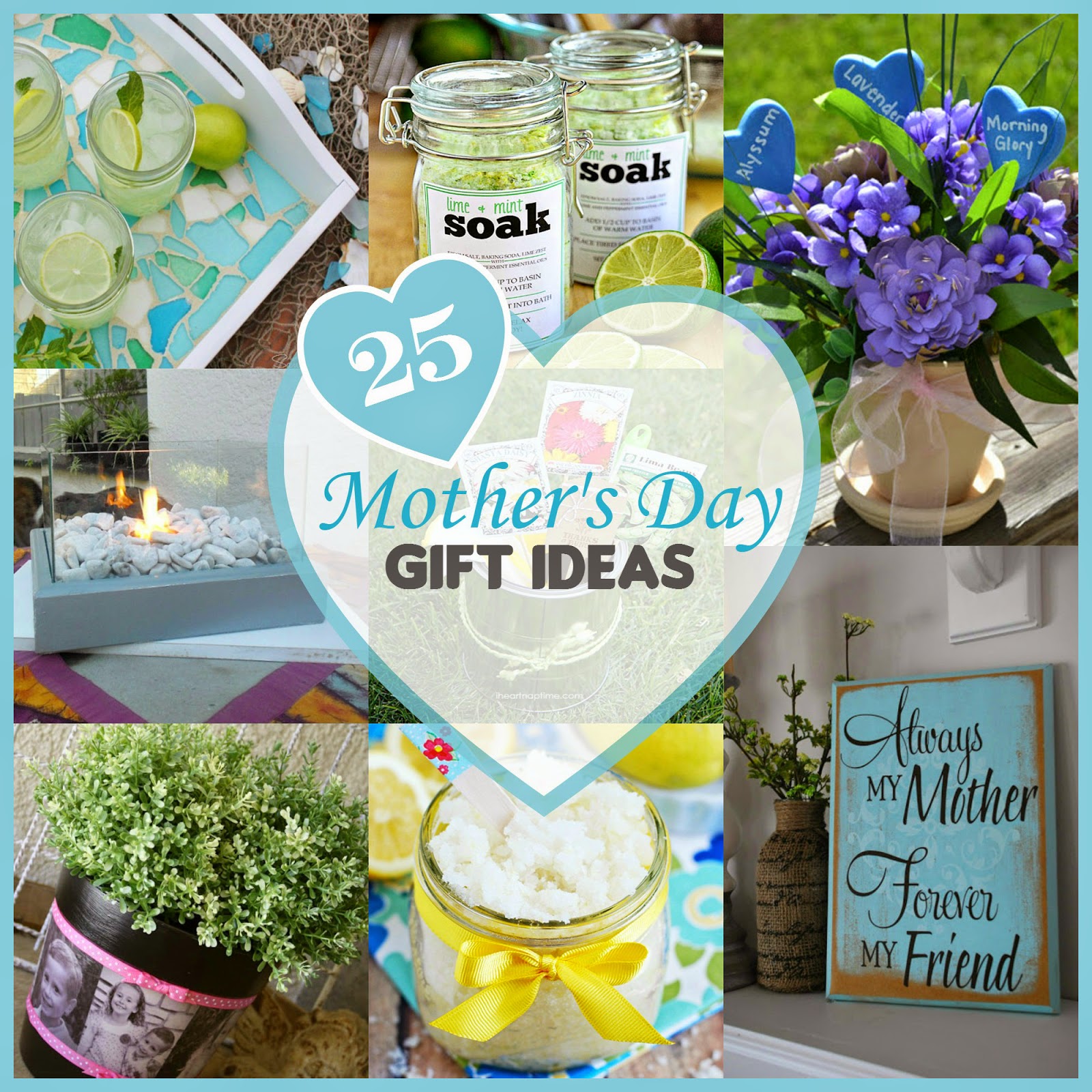
We live in a culture that equates worth with price tags. A good deal is defined by its low cost, and quality is often measured by its event gifting brand name or material composition. If you walk into an antique shop or browse an online marketplace, the immediate instinct is to calculate: Is it worth the money? But what if the most valuable things we own—the items that truly tell our life story—don’t fit neatly onto a price tag? This tension between monetary value and emotional weight can be confusing. Are memories quantifiable? Absolutely not. Yet, they dictate so much of our spending, our choices, and even our sense of identity. Understanding why sentimental value often outweighs cost is less about abandoning financial prudence and more about acknowledging the complex human need to capture moments in time.
The Psychology Behind Cherishing the Irreplaceable
When we talk about sentimental objects, we are not talking about mere trinkets; we are talking about physical anchors for our personal history. Psychologists suggest that these items function as tangible proof of connection—to a person, an event, or a period of intense growth. They are emotional time capsules. For example, consider a faded concert ticket stub from your first great adventure abroad. Its cost is virtually zero today, but the moment it represents—the feeling of being utterly overwhelmed by music and culture—is priceless.
The brain doesn't categorize these items as "worth $0." Instead, it processes them through emotional bandwidth. The object itself becomes a proxy for the powerful emotions associated with its creation or acquisition. It’s like carrying a map that doesn't just show where you went, but how you felt while traversing every mile. This is why focusing on sentimental value over cost isn't a financial mistake; it's a deeply human act of self-preservation and storytelling.
How Sentimental Objects Shape Our Personal Narrative
Every item we keep contributes a single brushstroke to the canvas that is our life story—our personal narrative. A highly expensive, beautiful vase might look breathtaking in your living room, but if it has no connection to your specific journey, it remains just decoration. The worn-out baseball mitt gifted by a childhood coach, however, carries years of sweat, missed catches, and encouragement. It is steeped in a rich narrative.
This concept helps us reframe our thinking entirely. We aren't buying objects; we are curating memories. Think about the anecdote of my friend who inherited a chipped ceramic mug from her grandmother. The mug was ugly by design standards—it had a noticeable wobble and a slight crack near the handle. Yet, every time she looked at it, she didn’t see cheap pottery; she saw hours spent in her grandmother's kitchen, smelling cinnamon and old spice. maternal love She argued that its true worth lay not in its glaze, but in the stories whispered over it. Isn't a story far more valuable than gold?
As Maya Angelou wisely observed, "You can't control what happens to you, but you can control how you respond." Similarly, these objects help us process and honor our responses to life’s major moments. They are physical evidence that we endured, loved, and grew.

Distinguishing True Value from Financial Cost
The key challenge is learning to distinguish between the fleeting excitement of a purchase (the novelty cost) and the deep resonance of an object (the emotional value). This requires us to shift our focus from acquisition metrics—like dollars spent or perceived rarity—to impact metrics. Ask yourself: does this item make me feel connected, inspired, or profoundly reflective?
Sometimes we confuse "cost" with "investment." A high-end suit is an investment in your professional image; a handmade quilt made by family members is an investment in tangible love. The second kind often yields far richer returns on the spirit than the first does on the bank account. When considering whether to prioritize feeling over funds, it helps to ask: Does this purchase deepen my connection to who I was, or who I am becoming?
Practical Ways to Honor Meaning Without Overspending
The great news is that you do not have to liquidate your savings account to appreciate sentimentality. The practice of valuing memory can be surprisingly affordable if approached with intention.
- Focus on Experiences, Not Things: Instead of buying a souvenir mug from a trip, save that money and plan a similar local outing. The experience itself becomes the valuable artifact. The Power of Digital Curation: Use photo albums or digital scrapbooks not just to store pictures, but to write accompanying captions that tell the story. This maximizes emotional return while minimizing physical clutter. Selective Keeping: Become ruthless! If an object reminds you of a good time but adds nothing to your current narrative—the "junk drawer" effect—let it go. Focus on keeping only those items that actively contribute to the history you want to tell.
Weaving Meaning into Your Everyday Life
The realization that sentimental value can outweigh cost is not about becoming anti-materialistic; it’s about becoming more intentional with our resources—both emotional and financial. It's about recognizing that true richness isn't found in accumulation, but in appreciation.
If you start viewing every purchase or kept item through the lens of "What story does this tell?" suddenly your whole approach to consumption changes. You stop treating money like a barrier and start treating it like fuel for creating more meaning. How can we integrate this mindful focus into our daily lives?
Curating Your Emotional Inventory Moving Forward
The journey toward valuing feeling over figures is one of continuous refinement. It requires practice, the willingness to let go of things that were merely expensive but not meaningful, and the courage to celebrate those small moments that cost little but mean everything. Start by identifying three objects in your home right now. For each one, identify its monetary value and then write down the single most important memory it represents. This exercise will solidify the powerful truth: sometimes, the greatest return on investment is measured not in currency, but in pure, undiluted feeling. By doing this work, you don't just declutter your home; you clarify your heart.